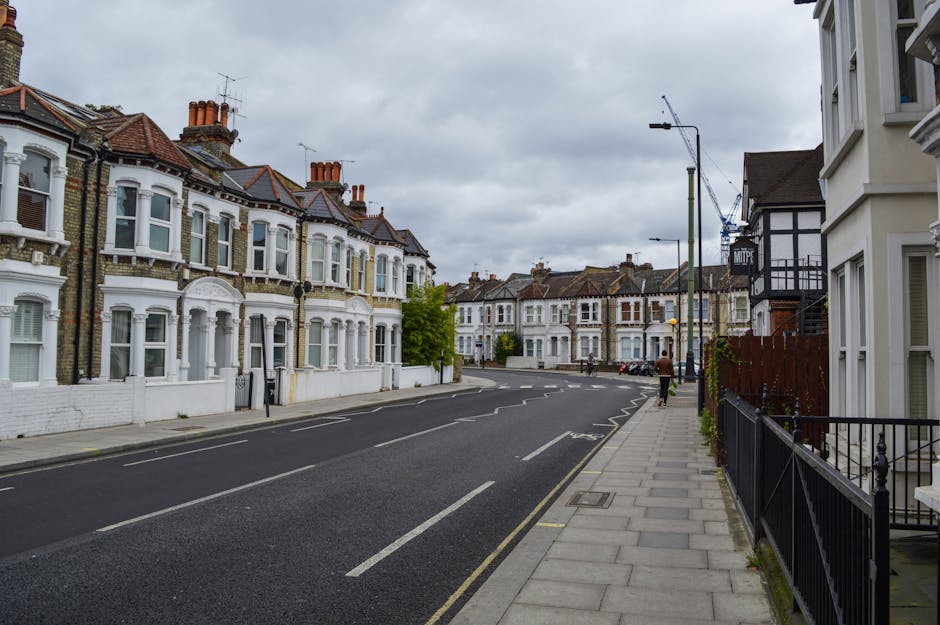
Kilburn Move Costs: What NW6 Prices Look Like

If you are trying to make sense of Kilburn move costs, you are probably after something more useful than a vague "it depends". Fair enough. Moving in NW6 can feel straightforward on paper, then suddenly the parking is tight, the stairs are awkward, and the quote changes once someone sees the volume of boxes. This guide to Kilburn Move Costs: What NW6 Prices Look Like explains the real factors behind local removal pricing, what typically pushes a job up or down, and how to choose the right service without paying for things you do not need.
We will keep it practical. You will see how costs are usually built, which move types tend to suit different budgets, and where small decisions make a surprisingly big difference. Because in London, especially around Kilburn, the difference between a tidy move and an expensive one is often in the details.
Why Kilburn Move Costs Matter
Kilburn sits in a part of London where moving is rarely just a simple lift-and-load exercise. NW6 has a mix of Victorian terraces, mansion blocks, converted flats, new-build apartments, and busy main roads. That mix matters. A move from a top-floor flat with no lift is not the same as a ground-floor studio with decent loading space. And yes, the price reflects that.
Understanding local costs helps you in three ways. First, it stops you overpaying for a service level you do not really need. Second, it helps you spot an estimate that looks too low to be realistic. Third, it makes the whole day easier because you know where the pressure points are likely to be. That alone can save a lot of stress.
To be fair, most people only think about price once the move is already looming. But the earlier you understand the moving cost structure, the more control you have over the process. You can decide whether you need a basic man and van option, a more complete removal services package, or a full house removals service with packing help.
Quick takeaway: Kilburn move costs are shaped less by postcode alone and more by access, load size, timing, parking, distance, and whether you need extra handling such as packing or dismantling.
How Kilburn Move Costs: What NW6 Prices Look Like Works
Local removal pricing usually starts with a simple question: how much time and labour will this move take? That is the backbone of it. A smaller job with one van, one mover, and easy access may be charged very differently from a full-family move that needs several hours, more crew, and careful handling of furniture.
In NW6, a quote often takes into account a few standard variables:
- Volume of items - how much furniture, how many boxes, and whether there are bulky items.
- Access at both addresses - stairs, lift access, narrow hallways, restricted entry, or long carries.
- Parking and loading - whether the vehicle can stop close to the entrance.
- Distance travelled - a local Kilburn-to-Kensal Green move is not priced like a cross-London relocation.
- Time required - hourly work, half-day work, or a fixed-price job.
- Extra services - packing, wrapping, dismantling, reassembly, or furniture pick-up.
There is also the question of vehicle choice. A smaller moving van or man with van setup can suit lighter loads, while larger moves may need a moving truck or a more structured team. The wrong vehicle choice is a common reason quotes feel "off" compared with the actual workload.
Most good providers will ask for a few basics before giving a price. Expect questions about inventory, floor levels, access, and whether packing materials or labour are required. If someone gives you a price without asking anything at all, that is not always a red flag, but it is worth pausing. Sometimes it means they are guessing. Nobody wants that on moving day.
Key Benefits and Practical Advantages
Getting a clear handle on local move pricing is not just about saving money. It also helps you choose a service that fits the job properly, which is often the bigger win. A well-matched move plan can reduce damage risk, cut waiting time, and lower the odds of last-minute chaos. And let's face it, moving day already comes with enough chaos.
- Better budgeting: you can set a realistic moving budget instead of guessing.
- Fewer surprises: clear pricing makes it easier to avoid add-on shock.
- Smarter service choice: you can compare removal company options against smaller van-based services.
- Less physical strain: if you know the move is heavy, you can arrange proper help early.
- Improved timing: you can schedule around school runs, work hours, or building access windows.
There is another subtle benefit: confidence. Once you understand how NW6 move costs are built, you ask better questions. You know to check whether packing materials are included. You know to ask if the quote covers waiting time. You know to mention that wardrobe, the one that somehow became heavier than a small piano. That kind of clarity saves arguments later.
For larger properties, it can also make sense to compare ordinary house movers with more specialist house removalists. The value is not always in the lowest price; sometimes it is in how well the service fits the reality of the property.
Who This Is For and When It Makes Sense
This topic is useful for a wide mix of people. If you are moving out of a Kilburn flat, shifting into the area, or just transporting furniture a short distance, pricing knowledge matters. It also matters if you are planning ahead and trying to work out whether a van hire style move is enough or whether you need a full crew.
Typical readers include:
- tenants moving between NW6 flats
- homeowners downsizing or upsizing
- students and renters moving a smaller load
- small businesses relocating office equipment
- people needing one-off furniture pick-up or disposal support
If your move is relatively light and you are happy to help with carrying, a man and van removals service may be the right fit. If you are moving a family home, or you have awkward furniture and fragile items, a broader removal company approach may be more appropriate.
It also makes sense when you are comparing different ways to spend your moving budget. Some people need the cheapest workable option. Others need a calmer, more managed service because they are balancing children, work, or building rules. Different priorities. Same postcode. Different move.
Step-by-Step Guidance
If you want a sensible quote and fewer headaches, follow a structured approach. It does not need to be fancy.
- List everything you are moving. Include furniture, boxes, bikes, appliances, and awkward items like mirrors or exercise equipment.
- Check access at both ends. Note stairs, lift access, parking distance, and any narrow hallways or shared entrances.
- Decide what help you actually need. Packing? Dismantling? A larger vehicle? Two movers instead of one?
- Choose the right service type. Compare lighter options such as man with a van with broader moving support if the job is larger.
- Ask for an itemised quote. This helps you see whether labour, travel, fuel, and extras are included.
- Confirm timing and building constraints. Moving on a Sunday morning is different from moving midweek at 2 pm. Usually, anyway.
- Prepare the load properly. Box fragile items, label rooms, and keep essentials separate.
A very normal real-life example: a one-bedroom Kilburn flat might look small until you realise the sofa does not fit through the hallway unless it is removed from its feet, the bed frame needs dismantling, and the parking bay is two doors away. That is why a quick inventory is so helpful. It turns an "oh, it should be easy" move into a realistic plan.
If you are worried about money, the simplest move is often to reduce effort on the day itself. Pack early. Declutter. Separate anything you can take yourself. That can lower the workload enough to keep the price sensible. Small wins add up.
Expert Tips for Better Results
After enough moves, certain patterns become obvious. The cheapest quote is rarely the best value if it leaves you paying for delay, extra labour, or last-minute add-ons. The best result usually comes from matching the service to the actual job, not the ideal version of the job in your head.
- Be precise about volume. A rough "two rooms" description is less useful than a detailed list.
- Flag access issues early. Top-floor walk-up? Mention it. Shared entrance? Mention that too.
- Ask about protective materials. Blankets, straps, covers, and wraps can save damage and stress.
- Check whether packing help is available. A good packing and unpacking services option can be worth it if time is tight.
- Keep fragile and essential items separate. That includes documents, chargers, medication, and kettle supplies. The kettle always matters more on day one than on any other day.
One practical tip people overlook: try to measure larger furniture before the move. Not because it is glamorous. It is not. But because the cost of a failed collection, an extra trip, or a blocked staircase can be much higher than a few minutes with a tape measure.
Also, do not be shy about asking how the quote handles waiting time. In London, delays happen. A lift breaks. A resident is late opening a gate. Traffic is traffic. A well-structured quote should make this clear.
Common Mistakes to Avoid
Most moving headaches come from a small number of avoidable mistakes. The good news? They are all fixable once you know them.
- Underestimating how much there is to move. Bags, small boxes, and "bits and pieces" quietly become a full van load.
- Ignoring access details. A bad assumption about parking can throw the whole schedule out.
- Choosing solely on price. A low number can hide missing labour, limited time, or extra fees.
- Leaving packing too late. This makes the move slower and usually more expensive.
- Forgetting insurance and safety questions. You want to know how belongings are handled, not guess.
There is a classic last-minute line people use: "We don't have much." Then the van arrives and suddenly there are six bags, three lamps, two bookcases, and a treadmill nobody has mentioned. That kind of thing does happen. A lot.
If you want smoother pricing, be honest upfront. If a lift is out of service, say so. If your sofa is oversized, say so. If you have to vacate by a certain time, say so. Clear information leads to cleaner estimates. Simple, but not always simple in practice.
Tools, Resources and Recommendations
You do not need specialised software to plan a move, but a few ordinary tools make the process much easier. A notes app, a spreadsheet, or even a paper list can do the job if you keep it organised.
- Room-by-room inventory: helps you compare quotes properly.
- Photo list of bulky items: useful for awkward furniture and fragile pieces.
- Simple budget sheet: track moving costs, packing supplies, and any storage or cleaning charges.
- Moving-day checklist: keeps the essentials visible at a glance.
- Building access notes: useful for concierge instructions, lift times, and parking restrictions.
On the service side, the most relevant resources are usually the pages that explain pricing, service scope, and trust signals. For example, it helps to review pricing and quotes carefully, then compare that with the practical scope of removals and removal services. If you are moving a business rather than a home, commercial moves and office removals become more relevant.
A small recommendation from experience: keep one "do not pack" box for the last 24 hours. Put passports, chargers, tea bags, keys, cleaning spray, bin bags, and snacks in there. A bit mundane, sure. But the mundane items are the ones you will be hunting for at 9 pm when everything feels upside down.
Law, Compliance, Standards, or Best Practice
For a local move, the main compliance issues are usually practical rather than complicated, but they still matter. A professional moving service should take care with health and safety, property access, vehicle loading, and the handling of items. You should expect sensible communication about these points, not vague assurances.
In the UK, moving work should follow normal business standards around insurance, duty of care, and safe handling. That means the provider should be clear about what is covered, how items are protected, and what happens if something goes wrong. It is also wise to check the company's insurance and safety information, along with the health and safety policy, before confirming a booking.
Payment transparency matters too. Clear pricing terms, realistic quote descriptions, and straightforward payment methods all help avoid misunderstandings. If the business explains its terms well, that is a good sign. The same goes for complaint handling and privacy. You are not expecting a choir singing in harmony here, just clean, honest process.
Best practice for customers is equally straightforward:
- share accurate property and access details
- read the quote carefully before accepting
- keep written confirmation of dates and inclusions
- check how delicate or valuable items should be prepared
- raise questions early rather than on the morning of the move
For broader trust signals and company background, it can also be useful to read the about us page and the terms and conditions. That is not just box-ticking. It gives you a better picture of how the service is run and what you are agreeing to.
Options, Methods, or Comparison Table
Different move types suit different budgets. The best option depends on the amount of stuff, the access, and how much help you want. Here is a simple comparison to make the choice less murky.
| Move type | Best for | Typical strengths | Watch-outs |
|---|---|---|---|
| Man and van | Small flats, light moves, local transport | Flexible, often cost-effective, good for short-distance jobs | Limited capacity, may suit lighter loads only |
| Man with van | Single-room or moderate loads | Simple, direct, useful for quick collections and local relocations | May not suit larger furniture sets or multiple helpers |
| Full removals service | Family homes, complex access, larger inventories | More support, better handling of bulky items, less stress | Usually costs more, but often with better value for bigger moves |
| Office relocation | Businesses, desks, IT, and equipment moves | Structured planning, less disruption, better for work schedules | Needs careful timing and inventory control |
If you need just transport and a bit of help loading, a lighter vehicle-based option may be enough. If the move is more involved, a broader service is usually less stressful. Strange as it sounds, paying a bit more can sometimes be the cheaper decision once time, damage risk, and effort are all counted properly.
For heavier jobs, it can also help to compare vehicle-focused support such as a removal van or removal van-style arrangement against larger team-based support. The point is not to choose the fanciest option. The point is to choose the one that actually fits.
Case Study or Real-World Example
Here is a realistic Kilburn scenario. A couple in a NW6 one-bedroom flat needed to move a short distance across the area. On paper, the move looked simple. Two people, moderate furniture, and a few boxes. But once they checked the details, they realised there was no lift, the sofa was a tight fit, and parking outside the building was limited during the morning rush.
At that point, the move plan changed. Instead of going for the cheapest quick lift-and-shift approach, they chose a small team with a van large enough for the main furniture, plus enough time for careful loading. They also pre-packed non-essentials and dismantled the bed before the day. That cut the active moving time and reduced the chance of surprises.
The practical lesson? The job was not expensive because it was in Kilburn. It was expensive or affordable depending on how clearly the move was defined. Once the access, load size, and timing were understood, the quote made more sense. That is usually how it goes.
A similar pattern appears in office jobs too. A small workspace relocation can seem easy until the IT gear, desk frames, and timing around opening hours come into play. In those cases, a more structured provider such as office relocation services can be the smarter choice. Not because it sounds impressive. Because it reduces friction.
Practical Checklist
Use this before you book. It will save you time, honestly.
- Inventory all furniture, boxes, and loose items
- Measure oversized items and note anything awkward
- Check both properties for stairs, lifts, and parking access
- Confirm whether you need packing help or dismantling
- Decide whether a small van or larger vehicle is appropriate
- Ask for a clear quote with all likely charges explained
- Review insurance, safety, and terms before confirming
- Prepare essentials box for the first night
- Label rooms and fragile items clearly
- Keep contact details and booking times handy on moving day
If you want the smoothest result, think in layers: what is moving, how far, how hard to access, and how much help is sensible. That little framework keeps things grounded.
Get a free quote today and see how much you can save.
Conclusion
Kilburn move costs are easier to understand once you stop treating them like a mystery and start looking at the real moving conditions in NW6. Access, time, load size, vehicle choice, and extra labour all shape the final price. When you know that, you can budget with far more confidence and choose a service that actually matches the move in front of you.
Whether you are arranging a small flat move, a family relocation, or a local office transfer, the best outcome comes from clear information and a realistic plan. That is the quiet secret behind better moving prices. Not luck. Not guesswork. Just clarity, early on, before the boxes pile up by the door.
And if there is one thing worth remembering, it is this: a good move does not have to feel frantic. With the right preparation, it can feel calm enough. Maybe even manageable. That is a decent place to start.
Frequently Asked Questions
How much do Kilburn move costs usually depend on?
They usually depend on access, distance, load size, time required, and whether you need extras like packing or dismantling. The postcode matters, but the job details matter more.
Is a man and van service cheaper than a full removals team?
Often, yes, especially for smaller or lighter moves. But if the job is large or difficult to access, a fuller service may be better value because it avoids delays and repeat trips.
What makes NW6 moving quotes rise the most?
Stairs, no lift, parking difficulties, bulky furniture, and extra labour are the usual price drivers. Last-minute bookings can also affect cost.
Should I choose based on hourly price or fixed price?
It depends on the move. Hourly pricing can suit smaller jobs with predictable access, while fixed pricing can be easier for more complex moves where timing is harder to estimate.
Do packing services add a lot to the cost?
They can, but they also save time and reduce the chance of damage or stress. For busy households, the convenience may be worth it, especially when the move is complicated.
How can I keep my moving cost down in Kilburn?
Declutter early, pack in advance, give accurate details, and be honest about access. That combination often has more impact than trying to shave a tiny bit off the hourly rate.
What if my building has awkward access or narrow stairs?
Tell the mover straight away. Awkward access is one of the biggest factors in local moving cost, and it is much better to plan for it than discover it halfway through the day.
Are furniture pick-up jobs priced differently from house moves?
Usually yes. A one-off item collection may be smaller and simpler, while a full home move involves more volume, more time, and more handling. If you need that type of service, a dedicated furniture pick-up option may be more suitable.
What should I ask before accepting a quote?
Ask what is included, whether there are waiting charges, how access issues are handled, and whether insurance is in place. Those questions are not fussy. They are sensible.
Is Kilburn expensive to move in because it is in London?
London moves can be pricier because of parking, congestion, and access issues, but the exact cost still depends on the property and the service chosen. Kilburn is no exception, though a well-planned move can still be very reasonable.
When does it make sense to book a larger removal service?
When you have a lot of furniture, multiple rooms, difficult access, or anything fragile and valuable. In those cases, a broader removals near me style search often leads you toward the kind of support you actually need.
How far in advance should I sort my Kilburn move?
As early as you can, especially if you want a preferred time slot or if your building has access restrictions. Early planning gives you a better chance of a smooth, less rushed move.
Where can I check service details and company information?
Start with the provider's pricing, insurance, terms, and about pages. On this site, the most relevant pages are pricing and quotes, insurance and safety, and about us. That gives you a clearer picture before you book.