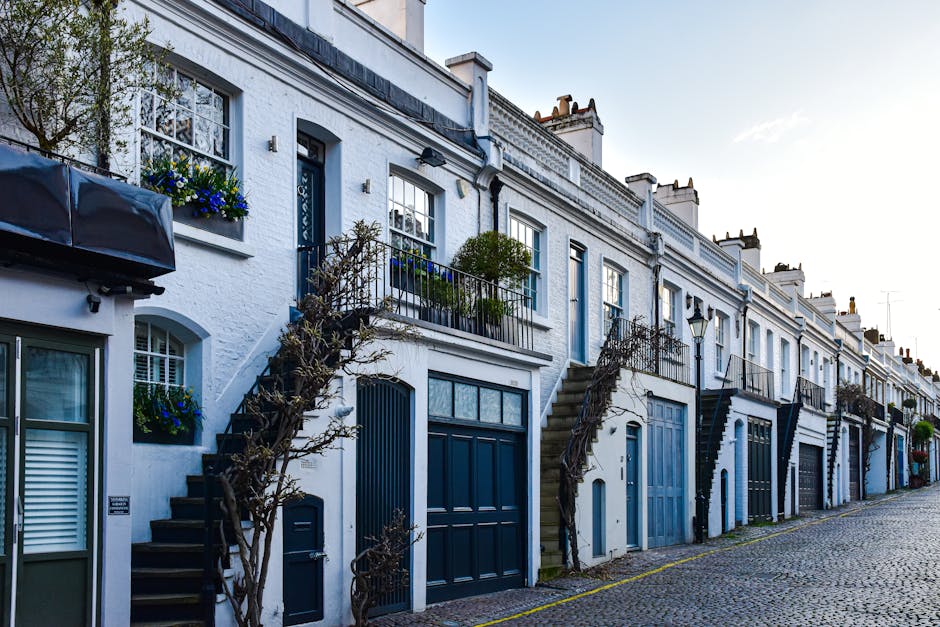
Salusbury Road removals advice for narrow terrace moves

Moving out of a narrow terrace on Salusbury Road can feel like a logistics puzzle with the volume turned up. The stairs are tight, the hallway is usually smaller than you remembered, and one bulky sofa can suddenly become the main character in the whole day. If you are looking for Salusbury Road removals advice for narrow terrace moves, the good news is that a smooth move is absolutely possible with the right preparation.
This guide walks through the practical stuff that actually matters: access, parking, timing, packing, lifting, and the small decisions that save a lot of stress later. You will also find a simple step-by-step plan, a comparison of moving approaches, and a checklist you can use the night before move day. It is written for real terrace homes, real London streets, and real moving-day nerves. Which, let's face it, usually arrive before breakfast.
- Why narrow terrace removals on Salusbury Road need extra planning
- How the move works from first survey to final unload
- Key benefits of planning properly
- Who this advice is for
- Step-by-step moving guidance
- Expert tips that make a real difference
- Common mistakes to avoid
- Tools, resources and recommendations
- Law, compliance, standards and best practice
- Options and comparison table
- Case study-style real-world example
- Practical checklist
- Conclusion
- Frequently asked questions
Why Salusbury Road removals advice for narrow terrace moves Matters
Narrow terrace houses have a very particular type of challenge. They often combine steep stairs, compact landings, tight front doors, awkward corners, shared front paths, and limited waiting space outside. On a road like Salusbury Road, the difficulty is not just the house itself. It is the way the property, street layout, neighbours, parked cars, and timing all interact.
When a move is not planned around those constraints, the day becomes slower, noisier, and more expensive than it needs to be. A sofa that should have taken ten minutes can take forty. A mattress can block the hallway. A van parked half a street away can add extra carrying distance, which sounds small until you have done it six or seven times. Not fun.
Good removals advice matters here because it gives you control over the bits that usually cause friction: access checks, route planning, item breakdown, loading order, and communication with anyone helping on the day. For terrace moves, that prep is not optional. It is the difference between a manageable move and a day that feels like a chain of minor emergencies.
If you are comparing help options, it can also be useful to look at a broader removal services approach rather than assuming one vehicle size fits every property. In many terrace moves, that flexibility is the real advantage.
How Salusbury Road removals advice for narrow terrace moves Works
The basic principle is simple: reduce friction before moving day. Narrow terrace moves work best when you treat access like a project, not an afterthought. In practical terms, that means checking the route from the front door to the van, identifying anything that will slow down the lift, and deciding which items should be dismantled, wrapped, or moved separately.
Most successful moves follow a pattern. First comes a visual assessment. Then packing and sorting. Then a loading plan based on weight, fragility, and the order you will need things at the new place. Then comes the moving day itself, where speed matters, but not at the cost of rushing awkward items through a tight staircase. Truth be told, rushing is usually what creates the problem in the first place.
On narrow terraces, the moving team needs to think in layers. There is the inside access, the external access, and the street access. If any one of those layers is difficult, the job takes longer. That is why a more careful man with van arrangement can be a sensible fit for smaller or medium domestic moves, especially where agility matters more than a giant vehicle.
The core method is not complicated, but it does require discipline:
- measure the biggest items before the move
- protect the staircase, walls, and banisters
- clear the route from front room to door
- book the right vehicle size for the street
- load in an order that avoids rehandling boxes
- allow extra time for awkward furniture and parking
Get those things right and the rest gets easier, even if the house itself is a bit of a squeeze.
Key Benefits and Practical Advantages
The biggest benefit of planning for a narrow terrace move is not just speed. It is reducing strain on the property, the team, and your own nerves. A well-planned move protects walls from scuffs, reduces the chance of damage to furniture, and makes it easier to keep everyone calm and focused.
There is also a practical cost advantage. When access is efficient, fewer man-hours are needed. Items are less likely to be dropped, and the van can be loaded in a logical sequence. That means less standing around while someone tries to angle a wardrobe through an impossible corner. You know the kind of thing. One person pushing, one person lifting, one person muttering, and suddenly the whole staircase is silent except for the scraping sound of bad decisions.
Some of the key gains are straightforward:
- Less damage risk: better wrapping, better route planning, fewer collisions with door frames and plaster
- Faster loading and unloading: items move once, not three times
- Better parking control: the vehicle is positioned for shorter carry distances where possible
- Lower stress: everyone knows what is moving first and what stays until last
- Cleaner handover: the property can be left tidier, which helps if you are working to a deadline
For families, that usually means fewer arguments in the doorway. For landlords or sellers, it often means a smoother handover. For anyone carrying heavy things up and down narrow stairs, it means your back will thank you later.
Who This Is For and When It Makes Sense
This advice is for anyone moving from or into a narrow terrace on Salusbury Road, but it is especially helpful if you are dealing with:
- Victorian or older terraced homes with tight staircases
- top-floor flats above terrace conversions
- small family homes with bulky furniture
- last-minute moves where access has not been checked properly yet
- people moving with limited help from friends or family
- customers who need careful handling for antiques, artwork, or fragile items
It also makes sense if you are trying to balance speed and caution. Some moves are simple enough for a smaller team, while others need a more structured approach. If the furniture is large, the staircase is tight, or the street parking is unpredictable, a more experienced man and van removals option can be a good middle ground between doing everything yourself and booking a large-scale move.
If you are moving a whole house rather than a few key items, broader help such as house removals or home moves may be more appropriate. The right choice depends on the volume, not just the postcode.
One small but important point: narrow terrace advice is not only for people with lots of stuff. Sometimes one awkward piece, like a king-size bed base or a big wardrobe, is enough to change the whole plan.
Step-by-Step Guidance
Here is a sensible move plan that works well for narrow terrace properties. It keeps things organised without making the process feel overcomplicated.
- Survey the access early. Check stairs, landings, door widths, railings, and the route from each room to the exit. Measure the awkward pieces, not just the easy ones.
- Decide what must be dismantled. Beds, wardrobes, table legs, and some shelving units move far better when taken apart. Keep screws and fittings together in labelled bags.
- Clear the hallway and stairs. The less clutter on the route, the better. Shoes, plants, lamps, and random baskets all become trip hazards very quickly.
- Pack with carrying in mind. Heavy items go into smaller boxes. Light but bulky items, like bedding, go into larger bags or boxes. Don't create a box so heavy nobody can safely lift it.
- Protect surfaces. Use covers or padding on bannisters, corners, and door frames where needed. A small scrape can ruin an otherwise good handover.
- Plan the van position. Ideally, the vehicle should be as close as possible without causing a traffic or access problem. On tighter streets, that may mean timing matters as much as location.
- Load by priority. Put the essentials where they are reachable first at the destination. If you want the kettle, the bedding, and the charging cables first, say so before the boxes disappear into the back.
- Do a final walk-through. Check cupboards, loft spaces, under beds, and behind doors. The last forgotten item is almost always in a place that felt obvious later.
In practice, the best terrace moves are the ones where the team has already thought through the awkward parts before they arrive. That sounds simple, but it is often where the day is won or lost.
Expert Tips for Better Results
A few practical details can make a surprising difference. These are the kinds of things that experienced movers notice straight away.
Use measurements, not guesswork. A sofa that "should fit" is not the same as a sofa that actually fits around a bend with your hands on it. Measure width, height, depth, and any protruding parts such as arms, feet, or handles.
Keep the first load simple. If the day begins with awkward furniture and no clear plan, people burn energy fast. Start with boxes and smaller pieces if the bigger items need special handling later.
Label rooms, not just contents. On a terrace move, the route is often tight enough that everything stacks up fast at the new property. Room labels save time and reduce chaos. Small thing, big payoff.
Build in a buffer. A narrow staircase, a low ceiling at the turn, or a parked car outside can add ten minutes here, twenty minutes there. That is normal. Don't schedule the day like it will be a straight line.
Think about weather. A wet front path, damp box bases, or slippery steps can make a move much harder. Even a light drizzle can change the pace, especially when items are being carried repeatedly.
Use professional packing support if needed. If your schedule is tight or the furniture is valuable, packing and unpacking services can remove a lot of pressure from the process.
Be honest about access. If the street is narrow or parking is awkward, say so early. It is much better to plan for a slightly harder job than to pretend the van can magically appear at the door. Sadly, not that magical.
Common Mistakes to Avoid
Narrow terrace moves tend to go wrong in predictable ways. The good news? Most of them are avoidable.
- Assuming the stairs will be fine. Stairs are the usual problem point, especially with wardrobes, mattresses, and large appliances.
- Not measuring the biggest items. If it is too big for the landing, the whole plan changes.
- Overpacking boxes. Heavy boxes are slower, riskier, and more likely to split.
- Leaving parking to chance. In a busy area, that can turn a neat move into a long carry.
- Forgetting to dismantle furniture early. Tools go missing, time runs out, and the crew ends up improvising.
- Not protecting walls and corners. Little knocks add up quickly in tight spaces.
- Starting too late. A terrace move with narrow access always takes longer than you think. Always.
Another common slip is treating every box the same. The kettle, medication, chargers, paperwork, and a change of clothes should be easy to reach. If they are buried under three layers of random boxes, your first evening in the new place becomes more annoying than it needs to be.
And one more, because it matters: do not rely entirely on a last-minute helper with no clear plan. A friendly pair of hands is useful, yes. A friendly pair of hands with no instructions is how boxes get put in the wrong place and everyone pretends not to notice.
Tools, Resources and Recommendations
You do not need a huge toolkit for a terrace move, but a few basics go a long way.
- Measuring tape: for doorways, stairs, sofas, beds, and wardrobes
- Strong tape and labels: for clear box identification and furniture bags
- Furniture blankets or padding: for protecting wooden pieces and painted surfaces
- Basic toolkit: screwdrivers, Allen keys, and a small bag for fixings
- Gloves with grip: useful for carrying heavier items safely
- Trolley or sack truck: helpful for heavier boxes where access allows
- Stretch wrap: good for holding drawers shut and keeping loose parts together
For people who prefer a more straightforward moving day, working with a man with van removal setup can be a smart choice when the move is small enough to benefit from flexibility but still needs proper handling.
If you want to compare moving support more broadly, it can also help to review removal company options alongside smaller-scale transport solutions. That way you can match the service to the actual job, not just the size of the furniture list.
For larger or more mixed household loads, movers can provide the extra lifting and coordination that busy terrace streets often demand.
Law, Compliance, Standards, or Best Practice
For a domestic move, there usually is not a single dramatic legal hurdle to worry about, but there are still important standards and good-practice duties worth taking seriously. In the UK, movers and customers should think about safe lifting, safe loading, insurance awareness, and fair handling of property and access.
Best practice in a narrow terrace move usually includes:
- clear communication about access restrictions
- careful lifting techniques to reduce injury risk
- properly secured loads in the vehicle
- respect for shared spaces, neighbours, and parking limits
- handling that reduces damage to walls, bannisters, and floors
If you are booking a professional team, it is sensible to check how they approach safety, liability, and vehicle security. You can review details such as health and safety policy and insurance and safety information to understand how they handle the practical side of the job.
It is also reasonable to look at terms and conditions and pricing and quotes details before confirming anything. That is just sensible due diligence, not overthinking. Well, maybe a tiny bit of overthinking, but the useful kind.
Where sustainability matters to you, it is worth checking how unwanted items are handled too. A move can be a good time to reduce waste through reuse and responsible disposal, and the site's recycling and sustainability information is relevant if you are clearing out as you go.
Options, Methods, or Comparison Table
Not every narrow terrace move needs the same setup. Here is a simple comparison to help you decide what suits your situation.
| Move type | Best for | Strengths | Watch-outs |
|---|---|---|---|
| DIY with helpers | Very small moves, light furniture, confident packers | Lowest upfront cost, flexible timing | Higher risk of injury, slower loading, more strain on narrow stairs |
| Man and van | Smaller domestic moves, a few larger items, flexible access needs | Good for tight streets and simple logistics | May be less suitable for very large homes or many bulky items |
| Removal company | Full-house moves, fragile loads, time-sensitive relocations | More support, stronger coordination, better for bigger jobs | Usually higher cost, more planning required |
| House removals service | Families or larger households with many rooms | Structured support for heavy or mixed loads | Needs good access planning on narrow terrace streets |
If the move is compact but awkward, a flexible transport-focused option can be enough. If it is a full household move, a broader house movers service may be a better fit because it gives you more hands, more structure, and a steadier pace.
Case Study or Real-World Example
Here is a realistic example. A couple moving from a narrow terrace near Salusbury Road had a sofa, a bed frame, two wardrobes, eight medium boxes, a bike, and the usual pile of "we forgot we owned this" items. The staircase turned tightly at the landing, and the front path was just wide enough for careful loading, not cheerful improvisation.
Before move day, the bed frame was dismantled, wardrobe doors were removed, and the hallway was cleared completely. The couple measured the sofa and realised it would be much easier to carry on its side with protective wrapping. They also identified the one awkward cabinet that needed to be moved first, before boxes started clogging the stairwell.
On the day, the van was positioned to reduce carrying distance, and boxes were labelled by room rather than just by category. That sounds basic, but it saved time during unloading because the bedroom items went straight upstairs while kitchen boxes stayed grouped together. No one had to ask where the toaster was. Which, under pressure, is a small victory in itself.
The biggest difference was not speed alone. It was calm. There was room to move, the route stayed clear, and nothing had to be forced through the stair corner at the last minute. Not a glamorous story, perhaps, but a very good moving day.
Practical Checklist
Use this checklist the day before your move. It is intentionally simple and focused on narrow terrace conditions.
- Measure large furniture and key doorways
- Confirm what needs dismantling
- Pack essentials separately for easy access
- Label boxes by room
- Clear the hallway, stairs, and front entrance
- Protect corners, banisters, and fragile surfaces
- Check parking and loading access
- Prepare a toolkit and fixings bag
- Set aside drinks, chargers, and paperwork
- Walk through every room one final time
Expert summary: narrow terrace moves are not difficult because of one single big problem. They are difficult because of a string of small ones. Solve the small ones early, and the move usually becomes manageable.
Get a free quote today and see how much you can save.
Conclusion
Salusbury Road removals advice for narrow terrace moves comes down to one simple idea: prepare for the access, not just the furniture. The stair turns, the parking, the door widths, the packing method, and the loading order all matter more in a terrace than they do in a roomy new-build with a wide hallway and no awkward corners. Life would be easier if every move were easy. Sadly, not quite.
If you take the time to measure, dismantle, label, and plan the route properly, the whole experience becomes steadier and far less stressful. And if you choose support that fits the property rather than forcing a one-size-fits-all approach, you give yourself a much better chance of a clean move and a calm first night in the new place.
Moving is rarely anyone's favourite day, but it does not have to be chaotic. With the right plan, even a narrow terrace move can feel controlled, practical, and oddly satisfying once the last box is in.
Frequently Asked Questions
What makes a narrow terrace move on Salusbury Road different from a normal house move?
The main difference is access. Narrow stairs, tight landings, limited hallway space, and street parking can all slow things down. The move needs more planning around route, vehicle position, and item size.
Should I dismantle furniture before moving day?
Yes, where possible. Beds, wardrobes, and table legs often move far more safely when dismantled. It also reduces the risk of damaging walls and bannisters in a tight terrace staircase.
How do I know if my sofa will fit through the stairs?
Measure the sofa at its widest points and compare that with the staircase width, turning space, and hallway clearance. If it looks borderline, assume it will need careful handling or dismantling of other furniture first.
Is a man and van enough for a terrace move?
It can be, especially for smaller loads or a few bulky items. For a bigger household move, you may need a more structured setup with additional help.
What should I pack separately for easy access?
Keep essentials like chargers, toiletries, kettle items, important documents, a change of clothes, medications, and basic cleaning supplies in one clearly labelled box or bag.
How early should I start preparing for a narrow terrace move?
As early as possible. Even a few days of preparation helps, but a week or more is better if you need to dismantle furniture, clear clutter, or organise parking and access.
What if parking outside the house is limited?
That is common on tighter London streets. Plan for extra carrying distance and allow more time. If parking is especially awkward, say so upfront so the move can be planned properly.
How can I protect my walls and stairs during the move?
Use blankets, padding, and corner protection where needed, and keep the route clear. Careful lifting matters just as much as protective materials.
Do I need packing services for a terrace move?
Not always, but they can help if you are short on time, moving fragile items, or simply want a calmer day. In tight properties, organised packing makes a real difference.
What is the biggest mistake people make with narrow terrace removals?
Underestimating the access problem. People often focus on the number of boxes and forget that stairs, landings, and parking can slow everything down more than expected.
How do I choose between house removals and a smaller moving service?
Think about volume, furniture size, and access. A full home with heavy items usually needs broader support, while a smaller, awkward move may suit a flexible transport-led service.
Should I ask for insurance details before booking a mover?
Yes, that is a sensible step. It helps you understand how property and goods are handled, and it gives reassurance if something unexpected happens.
Can I reduce costs by preparing better?
Usually, yes. Good packing, clear access, and dismantled furniture can reduce delays and make the job more efficient. The move becomes easier to complete, which often helps keep the overall process more predictable.