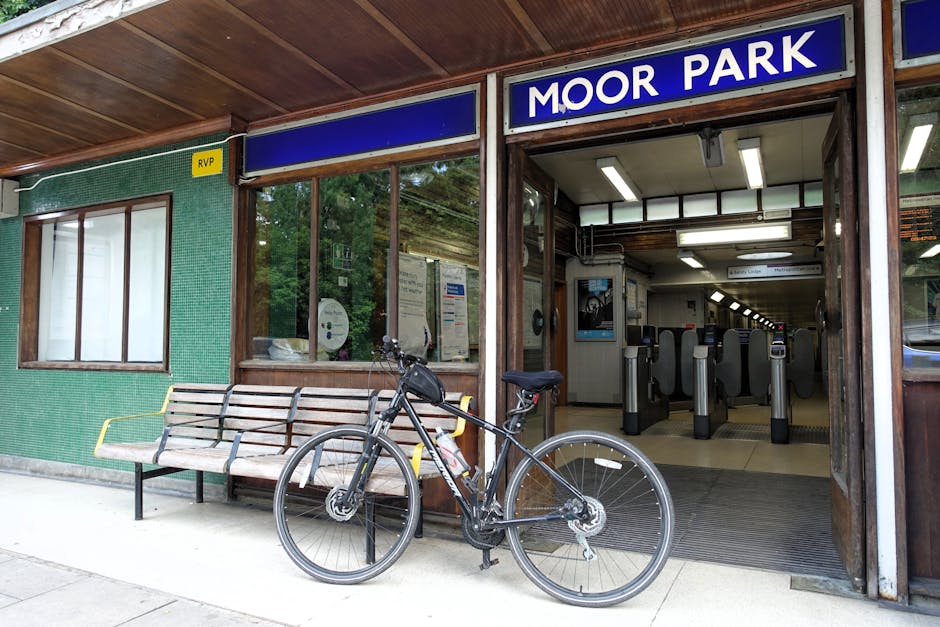
Kilburn Park Station Drop-Off: Best Loading Spots
Posted on 22/05/2026
If you're trying to organise a move, a furniture delivery, or a last-minute drop-off near Kilburn Park Station, the loading plan can make the whole day feel either smooth or slightly mad. The right stopping point saves time, reduces lifting, and keeps things moving without the usual panic of double-parking and awkward trolley manoeuvres. This guide to Kilburn Park Station Drop-Off: Best Loading Spots is written for real London conditions: tight streets, busy pavements, impatient traffic, and that familiar feeling that the van is always just a bit bigger than the space you hoped for.
Below, you'll find a practical breakdown of where loading works best, how to plan it properly, what to avoid, and when it makes sense to call in help. If your move also involves bulky furniture, boxes, or specialist items, it's worth looking at our man and van service in Kilburn, plus useful advice on packing like a pro for moving day and decluttering before the move.

Why Kilburn Park Station Drop-Off: Best Loading Spots Matters
Drop-off planning near a station isn't just about convenience. It affects how quickly you can unload, how safely you can move heavy items, and whether the vehicle can stop without causing a blockage. Around Kilburn Park Station, that matters a lot because local roads can be tight, pedestrian activity can be steady, and parking space tends to disappear at the worst possible moment. Sound familiar? It usually does.
A good loading spot can be the difference between a calm 20-minute unload and a stressful hour of shuffling boxes back and forth. It also reduces the risk of damage to sofas, beds, cabinets, and those annoying corner chips that seem to appear out of nowhere. If you're moving anything awkward, our guide on moving a bed and mattress safely is a handy read alongside this one.
For businesses, students, and households alike, the best loading spot is the one that balances access, safety, and minimal disruption. That sounds obvious, but in practice it's often overlooked until the van is already there and the clock is ticking.
How Kilburn Park Station Drop-Off: Best Loading Spots Works
In simple terms, loading near Kilburn Park Station works best when you plan the stop around four things: road width, visibility, pedestrian flow, and the distance from the van to the property entrance. You are not looking for a perfect spot. To be fair, in a busy London area that may not exist. You're looking for the least disruptive, most efficient spot that allows safe loading and unloading.
The process usually follows a few practical steps:
- Identify the closest sensible stopping point to your property or pick-up location.
- Check whether the vehicle can pull in without blocking traffic or entrances.
- Confirm whether you need a short stay, waiting time, or a proper loading bay.
- Prepare items in advance so the vehicle can be loaded quickly once it arrives.
- Keep a backup plan in case the first spot is occupied, unavailable, or unsafe.
For larger jobs, the loading spot should also suit the type of service you're using. A compact flat move may work fine with a small van stop, while a full household move may need a more deliberate plan. If you're comparing support options, our pages on flat removals in Kilburn, house removals, and removal van hire are useful next steps.
Key Benefits and Practical Advantages
The biggest advantage of choosing the right loading spot is simple: less carrying. And less carrying usually means less stress, less risk of injury, and fewer delays. In a place like Kilburn Park, where a short distance can still involve steps, kerbs, narrow footways, or a less-than-helpful corner, the exact stop point matters more than people expect.
Here are the main benefits:
- Faster loading and unloading - especially important if you're on a tight schedule or sharing the road with other traffic.
- Lower risk of damage - shorter carries mean fewer knocks against walls, railings, or other furniture.
- Better safety - fewer trips reduce fatigue and the chance of a slip, twist, or dropped item.
- Smoother coordination - the driver, helpers, and whoever is inside the property can work in rhythm.
- Less disruption to neighbours and passers-by - always appreciated, especially in residential streets.
There's also a mental benefit that gets missed. When the vehicle is parked logically, the whole job feels more under control. Small thing, maybe. But on moving day, small things are the difference between calm and chaos.
Who This Is For and When It Makes Sense
This topic is relevant to more people than you might think. It's not just for people moving house. Anyone who needs a sensible loading point near Kilburn Park Station can benefit from a better plan.
It makes sense if you are:
- moving into or out of a flat near the station
- dropping off furniture or appliances
- handling student removals with boxes and bags
- coordinating office furniture or equipment collection
- moving a piano, sofa, bed, or other bulky item
- arranging a same-day job that needs speed and flexibility
If your move includes an item that needs careful handling, it's worth reading our specialist guides on piano removals in Kilburn and furniture removals. Those moves are where the loading spot can either help a lot or become a real headache.
Truth be told, if you're moving solo with too many boxes and a bit too much optimism, the loading spot matters even more. That's when every extra metre feels like a mile.
Step-by-Step Guidance
Here's a practical way to approach drop-off and loading near Kilburn Park Station without overcomplicating it.
1) Start with the property layout
Look at the entrance, the street, the nearest curb space, and any obstacles such as bins, lamp posts, railings, planters, or parked cars. The best loading point is often the one that offers the shortest safe route from van to door, not the one that looks closest on a map.
2) Match the stop to the load
A few boxes? You can be more flexible. A sofa or wardrobe? You need more space, better alignment, and a clearer path. If you're carrying large pieces, plan your route before the van arrives. If you need refresher advice, our article on handling heavy loads more safely is worth a look.
3) Keep the walking line clean
It sounds basic, but it's often forgotten. Clear loose rubbish, mats, trailing cables, and anything that could snag feet or wheels. Even a tiny obstruction can slow the whole unload when a trolley is involved.
4) Load the van in the right order
Put heavy and sturdy items in first, then stack lighter and more fragile items around them. Use straps, blankets, and corner protection where needed. If your move involves careful packing, our packing guide for moving day offers practical techniques that actually help on the ground.
5) Have someone guide the vehicle if space is tight
In a narrow area, a second pair of eyes can stop a scrape before it happens. A quick hand signal from a spotter is sometimes all it takes. No drama. Just sensible teamwork.
6) Build in a backup plan
If the ideal loading spot is taken, decide in advance where the next-best option is. That way the crew doesn't stand around debating the geography of the pavement while the item stays on the trolley.
Expert Tips for Better Results
Good loading near a station is really about reducing friction. Little decisions add up fast.
- Pre-stage items near the exit so the van isn't waiting while someone hunts for box tape or keys.
- Avoid peak rush windows if you can. Early morning often feels easier than late morning in a busy area.
- Use the van's height and access wisely - not every item should be carried by hand if a trolley can do the job better.
- Keep fragile items separate and obvious, so they aren't last-minute surprises.
- Think about weather - rain makes cardboard soft, floors slippery, and everyone a bit more irritable. London, obviously.
- Choose the right service level if the move is time-sensitive. Our same-day removals service can be useful when plans change quickly.
One small thing that makes a big difference: label boxes clearly on at least one side and on the top. It sounds obvious until you're standing in a hallway at 8:15 in the morning asking, "Which box is the kettle?"
If you want to reduce the number of trips altogether, pairing your loading plan with proper packing supplies in Kilburn and sensible decluttering is a smart move. Less stuff, fewer journeys, simpler life. Lovely, really.
Common Mistakes to Avoid
Most problems near station drop-off points come from rushing, guessing, or assuming a space will be available. That's usually where the trouble starts.
- Blocking the road "just for a minute" - that minute can become an argument, a delay, or worse.
- Choosing convenience over safety - the nearest point is not always the best point.
- Not checking how close the van can really get - a few metres matter with heavy items.
- Forgetting about pedestrians - busy footways need extra care and patience.
- Leaving fragile items until last - by then, everyone is tired and more likely to rush.
- Ignoring the weather or surface conditions - wet paving and steep kerbs can become a problem very quickly.
A common mistake with bulky household items is treating them all the same. A mattress, a wardrobe, and a piano each behave differently during loading. If you're dealing with a specific item, use a specific plan. Our guides on beds and mattresses and professional piano moving are useful examples of that approach.
Tools, Resources and Recommendations
You don't need a warehouse full of kit to make a drop-off work well, but the right basics help a lot. A few inexpensive tools save time and reduce damage.
| Tool or Resource | Why It Helps | Best For |
|---|---|---|
| Furniture blankets | Protects corners and finishes during loading | Sofas, tables, wardrobes |
| Straps or tie-downs | Keeps items stable in transit | Mixed loads and heavier items |
| Hand trolley | Reduces lifting and speeds up movement | Boxes, appliances, stacked items |
| Box labels | Makes unloading and room placement easier | House moves, student moves |
| Floor protection | Helps prevent scuffs and dirt transfer | Flats, hallways, shared entrances |
If you're comparing support options, our services overview is a helpful place to understand the different moving and transport options available. For cost planning, the pricing and quotes page gives you a straightforward next step. And if the load is going into temporary storage, you may also find storage in Kilburn useful.
For larger furniture jobs, it's usually better to prepare more than you think you need. Tape, labels, gloves, blankets, and a trolley often earn their keep in the first ten minutes. Maybe not glamorous, but absolutely worth it.
Law, Compliance, Standards, or Best Practice
For loading and drop-off near a station, the safest approach is to follow local parking rules, keep clear of restrictions, and avoid obstructing traffic or pedestrians. Exact restrictions can vary by road, time of day, and local signage, so it's always wise to check on the day rather than assume yesterday's situation still applies. That goes double in London.
From a best-practice standpoint, a responsible loading plan should do three things:
- Protect people - drivers, helpers, pedestrians, and residents.
- Protect property - vehicles, walls, doorframes, and items being moved.
- Respect the street - keep access as open as possible and avoid unnecessary congestion.
If your move involves manual handling, use sensible lifting technique and avoid carrying more than you can safely manage. Our article on kinetic lifting and safe movement explores the physical side in a practical way. If you're unsure about the risk level of a heavy or awkward item, it's better to pause and reassess than to force it. That's not over-cautious. It's just common sense.
Where insurance, safety, and service terms matter, it's also worth reviewing insurance and safety information and the terms and conditions before the move. A few minutes of checking can save a lot of back-and-forth later.
Options, Methods, or Comparison Table
Different loading approaches suit different jobs. Here's a simple comparison to help you choose.
| Method | Best For | Pros | Trade-Offs |
|---|---|---|---|
| Closest curbside stop | Small loads, short moves | Fast and efficient | May be hard to find space |
| Loading bay or designated stop | Structured deliveries and removals | More orderly and predictable | Can require more planning |
| Short walk from a safer side street | Busy peak times, tighter roads | Safer if the main road is congested | More carrying distance |
| Pre-booked removal support | Larger, heavier, or time-sensitive jobs | Less stress, better coordination | Higher upfront planning needed |
For many local jobs, the last option ends up being the best value because it cuts mistakes and saves time. If your move is more than a few boxes, it may be worth exploring our removals service in Kilburn or speaking with local removal companies to compare what fits your situation.
Case Study or Real-World Example
Picture a small flat move near Kilburn Park Station on a damp weekday morning. The resident has a sofa, two beds, several labelled boxes, and a washing basket that somehow contains half the kitchen. If the van parks too far away, the unload turns into a slow, stop-start process through the rain. If it parks too close but awkwardly, traffic pressure rises and the whole scene gets rushed.
In a more workable setup, the team checks the street first, picks the most sensible loading point with enough room for safe access, and stages items by order of use. Heavy pieces go in first. Fragile boxes go last. The route from front door to van is kept clear. A second person watches the vehicle position while one person handles the doorway. Nothing dramatic. Just a decent plan.
The result is usually simple: fewer trips, fewer collisions with furniture edges, and a move that feels controlled instead of frantic. And that matters. Especially when you've still got the keys to hand back, the cleaner coming later, or a landlord waiting on a final inspection. For those next steps, our move-out cleaning guide can help keep the day stitched together.
Practical Checklist
Use this quick checklist before your vehicle arrives near Kilburn Park Station.
- Confirm the best loading point and identify a backup spot
- Check for parking restrictions and any visible local signs
- Clear the route from property door to vehicle
- Label boxes and separate fragile items
- Prepare blankets, straps, gloves, and a trolley if needed
- Keep keys, documents, and essentials in a separate bag
- Brief everyone helping on lifting and movement order
- Load heavy items first and secure everything properly
- Leave enough space for pedestrians and safe door access
- Recheck the area before driving off, just in case something was left behind
Key takeaway: the best loading spot is not always the nearest one. It's the safest, quickest, and least disruptive one that still gives you clean access to the load. Simple idea. Big difference.
Conclusion
Choosing the right drop-off and loading point near Kilburn Park Station is one of those small planning decisions that pays back in a big way. It reduces carrying distance, protects your belongings, and keeps the move moving. Whether you're handling a flat move, a student relocation, or a bulky item delivery, a thoughtful loading plan is worth the few extra minutes it takes to get right.
And if you'd rather not juggle parking, lifting, timing, and traffic all at once, that's fair enough. A well-organised local move is often less about muscle and more about timing, preparation, and calm judgement. Not glamorous, but it works.
Get a free quote today and see how much you can save.
For tailored help with local loading, transport, or full removals, explore our man with a van in Kilburn, or read more about our approach and background. A good move starts with a good plan, and sometimes that's the quiet bit that makes everything else feel easier.