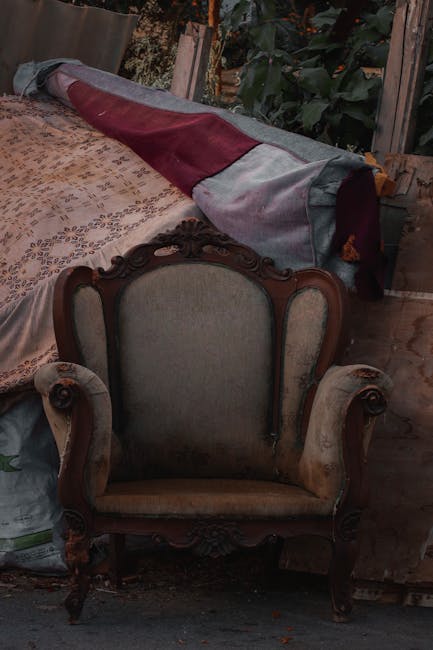
Moving Antique Furniture on Kilburn High Rd Risks
Posted on 10/06/2026
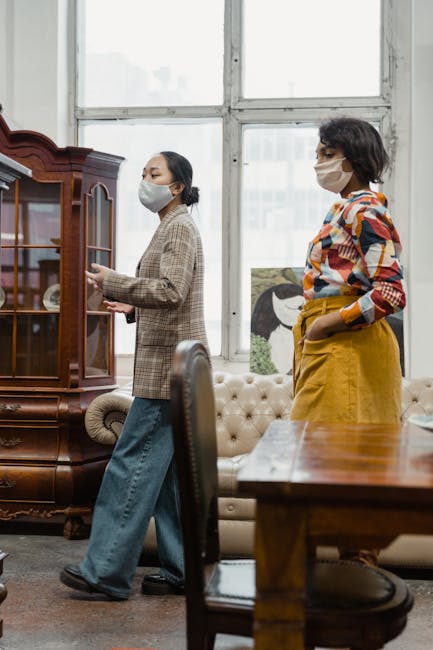
Moving Antique Furniture on Kilburn High Rd Risks: How to Protect Valuable Pieces in a Busy London Move
Antique furniture is not just heavy. It is fragile, valuable, and usually a bit temperamental in the wrong hands. If you are dealing with Moving Antique Furniture on Kilburn High Rd Risks, the challenge is bigger than simply lifting a table or getting a wardrobe into a van. You are navigating tight entrances, traffic, awkward stairwells, parking pressure, and the very real risk of damage that can't be undone with a replacement order.
That is why this topic matters. A chipped veneer, snapped leg, scratched inlay, or split joint can take a treasured item from heirloom to headache in seconds. In this guide, we'll break down the main risks, show you how a proper move works, and help you decide whether a careful DIY approach or professional support makes more sense. To be fair, once you know what can go wrong, the right plan becomes much clearer.
Table of Contents
- Why Moving Antique Furniture on Kilburn High Rd Risks Matters
- How Moving Antique Furniture on Kilburn High Rd Risks Works
- Key Benefits and Practical Advantages
- Who This Is For and When It Makes Sense
- Step-by-Step Guidance
- Expert Tips for Better Results
- Common Mistakes to Avoid
- Tools, Resources and Recommendations
- Law, Compliance, Standards, or Best Practice
- Options, Methods, or Comparison Table
- Case Study or Real-World Example
- Practical Checklist
- Conclusion
- Frequently Asked Questions
Why Moving Antique Furniture on Kilburn High Rd Risks Matters
Kilburn High Rd is busy, full stop. Even when the weather is kind and the street looks manageable, the flow of buses, delivery vehicles, pedestrians, and parked cars changes the whole feel of a move. Antique furniture does not forgive rushed handling. One missed turn on a narrow stair, one knock against a wall, one poor lift from a loading bay to the van, and the damage can be immediate.
Antiques also carry a different kind of value. A modern flat-pack chest can be replaced. A Georgian sideboard, a Victorian mirror, or a family dining table usually cannot. Their value may be financial, historical, or sentimental - often all three. That means the real risk is not just physical damage. It's losing provenance, finish, or the original character that made the piece worth moving in the first place.
There's another issue people sometimes miss: old furniture can be structurally weaker than it looks. Glue dries out. Joints loosen. Veneer lifts. Drawer runners stick. A piece that seems "solid enough" may fail under strain if it's twisted, dragged, or carried at the wrong angle. That is exactly why antique moves need a calmer, more deliberate method than a standard furniture removal.
Expert takeaway: antique items should be treated as irreplaceable assets, not just awkward objects. If the move feels hurried, the risk level rises fast.
For local moves, it also helps to understand the wider move plan. If your day includes packing, cleaning, or storage, see packing like a pro for moving day and a step-by-step approach to move-out cleaning so the antique move fits into the rest of the job without chaos creeping in.
How Moving Antique Furniture on Kilburn High Rd Risks Works
The phrase may sound dramatic, but in practice it means identifying, reducing, and controlling the risks that come with moving fragile, older, or high-value furniture through a busy local environment. The process usually begins with assessment: what the piece is made of, how old it is, whether it can be disassembled safely, and where it needs to go.
Then comes route planning. On Kilburn High Rd, that may sound simple, but it isn't. You need to think about parking space, drop-off distance, stair access, doorway width, and whether the item has to pass corners, bannisters, or tight hallways. A move that looks easy from the pavement can become awkward halfway up a stairwell. Happens all the time, honestly.
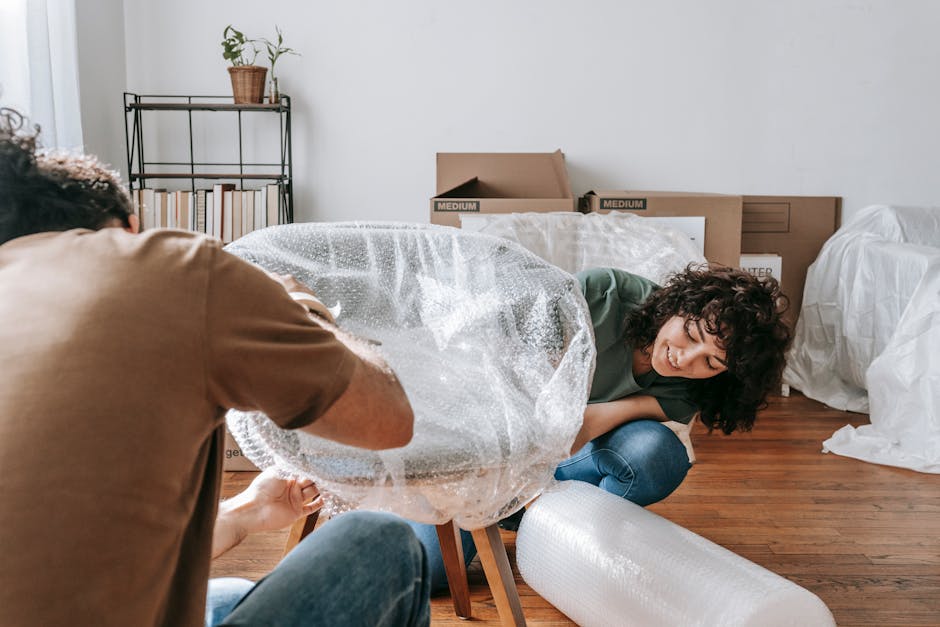
After that, the item should be protected properly. This can involve blankets, corner guards, straps, wrapping for vulnerable edges, and sometimes partial dismantling. But there is a catch: over-wrapping or using poor materials can trap grit, rub through finishes, or hide stress points. So the goal is protection with visibility and control, not simply burying the furniture in layers of padding.
Finally, the physical move itself should be slow and coordinated. One person steadies. Another guides. The furniture is kept upright where possible, lifted rather than dragged, and rotated only when needed. If the item is especially delicate, a specialist approach is often the safer option. For heavier pieces, a useful background read is moving heavy loads safely, though antiques are usually a step beyond ordinary heavy lifting.
Key Benefits and Practical Advantages
People often focus on the risks, which is fair enough, but careful antique handling also brings some very real advantages. The first is preservation. When a piece is moved properly, the original finish, joinery, and shape are far more likely to survive intact. That matters whether the item is headed for a new home, storage, or restoration.
The second benefit is cost control. A careful move can help you avoid repair bills, restoration work, or the emotional cost of trying to replace something rare. In many cases, the cheapest move is not the cheapest crew - it's the one that avoids damage in the first place.
There's also peace of mind. Antique furniture often has stories attached to it. Maybe it's a family writing desk or a cabinet bought years ago at auction. Knowing it's being handled with care changes the whole day. You stop worrying about every corner and can focus on the move itself.
- Less risk of scratches, dents, and veneer loss
- Lower chance of joint failure during lifting
- Better protection against damp, dirt, and scuffs
- More control over stairs, doorways, and tight turns
- Reduced stress for owners and movers alike
If the move also involves larger items like sofas or beds, it's worth reading how to move a bed and mattress smoothly and strategies for long-term sofa storage. The principles are different, but the same mindset helps: protect the item first, then move it.
Who This Is For and When It Makes Sense
This topic is relevant to anyone moving antique or heritage-style furniture in or around Kilburn, especially where access is tight or timing is pressured. It could be a homeowner moving a single heirloom cabinet, a landlord clearing furnished property, or a family relocating a dining set that has been in the same house for decades.
It also makes sense if you are moving from a flat, a maisonette, or a property with narrow stairs. In those settings, even a medium-sized antique piece becomes more awkward than it looks. And if the furniture has fragile detailing, glass panels, marble tops, or old castors, the margin for error gets very small.
This is especially important if:
- The item is unusually old, handmade, or restored
- There is no lift, or the lift is too small to help
- Parking is restricted or the van must stop a distance away
- You need same-day timing or a fast turnaround
- The furniture is going into storage and needs extra protection
Sometimes people ask whether they should just "get a few strong mates" and do it themselves. Maybe. But if the piece is genuinely valuable, that approach is a gamble. If you want a more rounded move plan, stress-free house move tips and decluttering essentials can help reduce the pressure before the furniture even leaves the room.
Step-by-Step Guidance
Here is a practical approach that keeps the move controlled and realistic. It's not fancy. It just works.
- Inspect the furniture carefully. Check for loose joints, cracked veneer, wobbling legs, drawers that slide out too easily, and any previous repairs. Take photos before anything is moved. You'll be glad you did.
- Measure everything. Measure the furniture, doorways, landings, stair widths, and the van entrance if relevant. A few centimetres can decide whether a piece moves upright or has to be turned, and that changes the risk.
- Clear a safe route. Move lamps, rugs, doorstops, bins, and anything that creates a trip hazard. In a cramped Kilburn stairwell, even a small obstacle can turn into a nasty wobble.
- Use the right protective materials. Soft blankets, edge guards, and secure wrapping are usually safer than thin plastic or random tape. Avoid anything that could stick to fragile finishes.
- Plan the lift. Decide who takes which end, where to pause, and how to handle stairs or landings. No improvising halfway through, if you can help it.
- Move slowly and keep communication clear. Short instructions are best. "Stop," "tilt," "turn," and "lower" beat long explanations every time.
- Load the van with restraint. Antique pieces should not be crushed under other furniture. They need padding, space, and stability. Tie them down only where straps won't mark the surface.
- Unload with the same care. A careful arrival is just as important as a careful pickup. This is where people get cocky and start rushing. Not ideal.
If the job includes commercial timing or multiple rooms, it can help to think in terms of a full removal plan. The services pages on removals in Kilburn and furniture removals support may be useful for understanding how a structured move is typically handled.
Expert Tips for Better Results
A few small decisions can make a huge difference. In our experience, the best antique moves are not the most dramatic ones. They're the calm, methodical ones where the team never seems in a rush.
Tip one: remove what can be safely removed. Drawers, detachable legs, mirrors, and loose shelves often travel better separately, provided you label them clearly. One tiny screw left behind can become the annoying little villain of the day.
Tip two: protect the vulnerable points, not just the whole surface. Corners, handles, carvings, and foot joints are often where damage begins. Those are the bits to watch like a hawk.
Tip three: don't let tape touch the finish unless you are absolutely sure it is safe. Antique lacquer, polish, and veneer can react badly. Use wraps and buffers instead.
Tip four: plan for weather. A damp pavement, light rain, or gritty road spray on a windy afternoon can do more harm than people expect. A piece that looks clean can still pick up fine grime in seconds.
Tip five: if the item has sentimental value, build in time. Rushing often comes from underestimating the emotional side. You know the feeling: you look at the clock, then at the cabinet, then at the stairs, and the stress climbs. Build a little slack into the plan.
If you are unsure about manual handling technique, it may also help to read how kinetic lifting redefines physical strength. It gives useful context on using body mechanics properly rather than brute force. And yes, brute force is usually where the trouble starts.
Common Mistakes to Avoid
The mistakes are usually predictable, which is frustrating because they are also avoidable. Here's what goes wrong most often.
- Assuming the furniture is sturdier than it is. Old timber can look robust but still be brittle in the joints.
- Dragging instead of lifting. This can wreck legs, corners, and floor surfaces in one go.
- Using too few people. A piece that needs two steady handlers should not be bullied by one hopeful lift and a prayer.
- Poor route planning. It's easy to focus on the van and forget the hallway, stair turn, or tight front door.
- Over-wrapping without checking for movement. If a wrap shifts during transit, it can scuff the surface underneath.
- Leaving drawers or doors unsecured. They can swing open mid-move and throw the balance off.
- Not checking insurance or responsibility. If damage occurs, it helps to know who is covering what before the van even arrives.
There's a smaller mistake too, and it gets overlooked a lot: treating all antiques the same. A marble-topped cabinet, a pine dresser, and a carved mahogany sideboard need different handling. Same room, different rules.
Tools, Resources and Recommendations
You do not need an enormous toolkit, but the right few items matter. For most antique furniture moves, the basics include padded blankets, stretch wrap used carefully, lifting straps, corner protection, furniture sliders for controlled repositioning, and a reliable dolly or sack truck where appropriate.
Soft materials are usually better than hard ones. The goal is to avoid direct impact and abrasion. If the item is especially delicate, additional padding around protruding details can prevent those horrible little knocks that somehow always happen at the narrowest doorway.
It also helps to have:
- Labels or tape for detached parts
- A tape measure for route checks
- Work gloves with grip, not bulky ones that reduce feel
- A torch for dim stairwells or basements
- A clean cloth to remove dust before wrapping
For broader moving help, you might also find packing and boxes in Kilburn useful, especially if the antique furniture is moving alongside artwork, china, or family keepsakes. The right packing approach matters more than people think. One sloppy box can spoil an otherwise tidy move.
If timing is tight, same-day assistance can sometimes make sense, especially when a property handover or storage move has suddenly shifted. In that case, same-day removals in Kilburn may be worth reviewing as part of your planning.
Law, Compliance, Standards, or Best Practice
When moving antique furniture, the practical side usually matters more than legal theory, but a few standards of care are worth keeping in mind. Anyone handling heavy or awkward furniture should follow sensible manual handling practice, use suitable equipment, and avoid unsafe lifting. That sounds obvious, yet it is exactly where many DIY moves slip up.
If you hire help, it is reasonable to ask about insurance, safe loading methods, and how fragile items are protected in transit. You are not being fussy. You are being sensible. Good movers should welcome those questions. A professional approach also includes clear communication, sensible route planning, and care for both the item and the building it passes through.
If the move involves stairs, communal hallways, shared entrances, or rented property, think about protecting floors, walls, and doors. That is not just polite; it helps avoid disputes later. For renters, the deposit conversation can get awkward very quickly if scratches appear on a bannister or hallway wall.
It can also be helpful to read the company's insurance and safety information and health and safety policy before booking. Those pages usually tell you more about the service culture than any sales pitch does.
Options, Methods, or Comparison Table
Not every antique move needs the same level of support. Here's a straightforward comparison to help you weigh the options.
| Method | Best For | Pros | Risks |
|---|---|---|---|
| DIY with friends | Small, sturdy, low-value pieces | Lower upfront cost, flexible timing | Higher damage risk, limited equipment, poor handling on stairs |
| Man and van support | Single items or compact local moves | Good for short-distance transport, more practical than pure DIY | Still requires care with packing and access |
| Specialist furniture removal | Valuable, delicate, or awkward antiques | Best protection, better route planning, safer loading | Higher cost, needs advance booking |
There is no universal winner here. If the item is low risk and the route is straightforward, a simpler method may be enough. If the piece is irreplaceable, or if the access is anything less than friendly, specialist support is usually the calmer choice. For some readers, man and van support in Kilburn sits in the middle ground nicely.
Case Study or Real-World Example
A recent local-style scenario makes the point well. Imagine a family moving a 19th-century sideboard from a first-floor flat near Kilburn High Rd to a new home a few streets away. The sideboard looks manageable until the team reaches the stair landing, where the turn is tighter than expected and the front feet protrude further than the measurement suggested.
Without a plan, the piece would need to be forced round the bend, risking a cracked leg or scraped wall. Instead, the movers pause, remove the drawers, recheck the angle, and use better padding around the projecting corners. The sideboard comes out slowly, with one person guiding from below and another controlling the weight from above.
It is not a dramatic story. That's the point. The move succeeds because it stays boring in the best possible way. No shouting. No sudden jerks. No "it'll be fine" confidence, which is usually the exact moment something snaps.
That same careful thinking can apply to other pressure-heavy moves too, such as a rushed flat clearance or a property handover. If your move has multiple moving parts, the articles on urgent Kilburn eviction moves and fast same-day removals for Brondesbury Park flats show how timing and access can quickly shape the whole job.
Practical Checklist
Use this before moving day. It saves time, and maybe a headache or two.
- Photograph the antique furniture from several angles
- Check for loose joints, fragile veneers, and existing marks
- Measure the item, doorways, stairs, and van access
- Clear the route of rugs, clutter, and trip hazards
- Choose suitable blankets, wraps, and corner protection
- Label removable parts clearly
- Plan who lifts which end and where the pauses will be
- Confirm parking and loading arrangements in advance
- Keep drinks, tools, and small fittings separate from the main load
- Reinspect the item after unloading before placing it in its final position
One small note: if the furniture has been in storage, check for dust, moisture, or pests before wrapping it again. It's not glamorous, but it matters. A clean cloth and a calm minute now can save a lot later.
Conclusion
Moving antique furniture on a busy London road is never just about transport. It is about judgement, patience, and understanding where the real risks live: tight access, fragile joinery, awkward loading, and the kind of pressure that makes people rush. If you respect the item, plan the route, and choose the right level of help, the move becomes much safer and far less stressful.
Whether you are relocating one treasured cabinet or handling a full room of older pieces, the smartest move is the one that protects the furniture first and your peace of mind second. And honestly, that's usually the better outcome all round.
If you are comparing options for a careful local move, it can help to look at removal services in Kilburn alongside your packing and safety needs so you can match the service to the item, not the other way round.
Get a free quote today and see how much you can save.