NW6 House Clearances: Bulky Waste Removal Guide
Posted on 06/05/2026
If you are staring at an old sofa in the hallway, a wardrobe that will not budge, or a stack of broken bits that somehow grew overnight, you are not alone. House clearance jobs in NW6 can feel simple at first and then suddenly turn into a tangle of lifting, sorting, access issues, and disposal questions. This NW6 House Clearances: Bulky Waste Removal Guide walks you through the practical side of clearing large items safely, legally, and without the usual stress.
Whether you are moving out, downsizing, dealing with a probate property, or just trying to reclaim a spare room, the real challenge is often not the item itself but what happens after it leaves your flat or house. Do you recycle it, donate it, store it, or book a removal? Which items need extra care? And how do you avoid turning one bulky item into a whole weekend of faff? Let's break it down properly.
Why NW6 House Clearances: Bulky Waste Removal Guide Matters
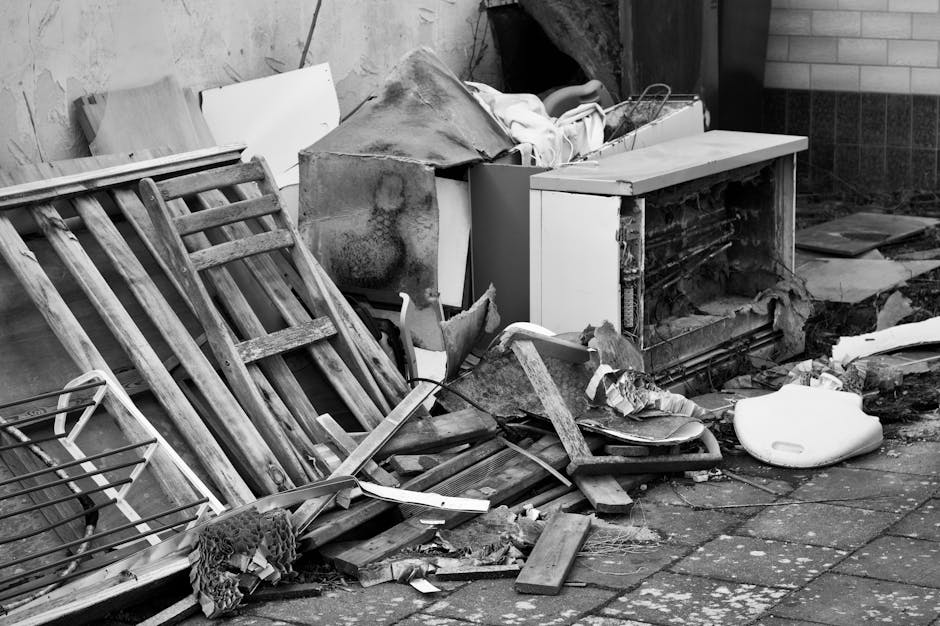
Bulky waste is not just "big rubbish". In real life, it is usually the awkward, heavy, or oversized stuff that causes the most disruption: sofas, beds, mattresses, wardrobes, white goods, exercise machines, broken shelving, and sometimes heavy items with mixed materials that cannot simply be left outside for the regular bin collection. In NW6, where many homes are flats, basement conversions, and older terraces with narrow staircases, bulky item removal can become tricky very quickly.
Why does that matter? Because a rushed approach often leads to avoidable problems: scratched floors, strained backs, blocked entrances, missed council rules, or items being dumped in the wrong place. And let's face it, nobody wants a clearance job to end with an unhappy neighbour or a second call-out.
A good bulky waste plan helps you:
- clear space efficiently before a move, renovation, or tenancy handover
- separate reusable items from true waste
- reduce physical risk during lifting and carrying
- avoid non-compliant disposal or fly-tipping issues
- keep costs under control by choosing the right method
For many households, the real value is peace of mind. One clear plan can turn a messy clear-out into something manageable, even on a tight London street with limited parking and an awkward second-floor landing.
If your clearance is part of a broader move, you may also find our stress-free house move guide useful, especially for planning what should be moved, stored, donated, or removed altogether.
How NW6 House Clearances: Bulky Waste Removal Guide Works
At a practical level, bulky waste removal usually follows a simple sequence: identify the items, check what can be reused or recycled, decide how the items will be collected, and arrange the right vehicle and labour. The exact process varies depending on whether you are dealing with a single sofa or a full-property clearance.
In NW6, access is often the deciding factor. A sofa that looks straightforward in a ground-floor flat can become a different story if it has to come down tight stairs, through a shared hallway, and out to a road with double parking restrictions. That is where experience really helps.
A standard bulky removal job often includes some or all of the following:
- Pre-check - assess item size, weight, access, and disposal route.
- Sorting - separate recycling, donation-ready items, and waste.
- Preparation - remove loose parts, empty drawers, secure doors, and protect surfaces.
- Collection - safely lift and remove items using the right equipment and team size.
- Transport - take items to suitable disposal, reuse, or recycling points.
- Final sweep - clear dust, screws, and small debris so the space is usable again.
If you are already planning furniture movement, a dedicated furniture removals service in Kilburn can be a practical fit for larger household items that need careful handling rather than simple disposal.
For one-off urgent jobs, same-day solutions can be helpful too. A quick turnaround is especially useful when a tenancy is ending or an estate property needs clearing promptly. If that sounds familiar, have a look at same-day removals in Kilburn.
Key Benefits and Practical Advantages
The obvious benefit is that the space is cleared. But the better benefits are often the quiet ones: less stress, less risk, fewer delays, and a much cleaner handover. Good bulky waste removal also saves time in the bits people usually underestimate, like disassembly, carrying, loading, and finding a disposal route that is actually appropriate.
Here are the main advantages worth caring about:
- Safer handling - heavy and awkward items are lifted with better technique and fewer injuries.
- Better room for movement - useful when you are staging a sale, decorating, or moving furniture around.
- Less disruption - fewer trips, fewer arguments about what stays and what goes, fewer "we'll sort it later" moments.
- More sustainable outcomes - reusable items can be diverted away from landfill where possible.
- Cleaner final result - ideal for end-of-tenancy, probate, or property preparation.
There is also a planning benefit that people miss. Once bulky waste is removed, it becomes easier to pack properly, clean properly, and see the space for what it actually is. That is a big deal during a move. Our packing guide for moving day and the move-out cleaning checklist both help with that next stage.
And if part of your bulky waste is being kept for later use, storage matters. A sofa, mattress, or freezer needs proper handling if it is not going straight to disposal. For that, see our guides on long-term sofa storage and storing a freezer during downtime.
Who This Is For and When It Makes Sense
Bulky waste removal is not just for people with a full house clearance. In NW6, it is often the smarter option for smaller but awkward jobs too. One broken item can be a bigger headache than ten bags of ordinary waste, mainly because you cannot drag it out with one hand and forget about it.
This guide is especially relevant if you are:
- moving out of a flat or house and need to clear large furniture
- downsizing and want to keep only the items worth moving
- dealing with a probate property or bereavement clearance
- refreshing a rental between tenants
- clearing out a garage, loft, or storage room
- replacing old furniture, appliances, or bulky household items
- living in a flat where stairs, lifts, or access routes make DIY clearance risky
It also makes sense when you have items that are too large for standard waste collection but too awkward to manage alone. Think wardrobes with fixed panels, divan beds, broken desks, large mattresses, exercise bikes, or a heavy piano bench that somehow always seems heavier than it looks. For particularly delicate or valuable pieces, professional help is sensible rather than heroic.
If you are dealing with specialist items, these resources may help: moving a bed and mattress and professional piano moving advice.
Step-by-Step Guidance
The easiest way to approach a bulky waste clearance is to treat it like a short project, not a last-minute scramble. A few careful decisions up front save a lot of mess later.
1. Walk through the property first
Look at every bulky item and ask three questions: can it be reused, recycled, or safely removed? Check whether doors, corners, stairwells, and hallways are wide enough. Measure if needed. That five-minute check can save a miserable carrying session later.
2. Decide what stays and what goes
Do not start moving items before you are clear on the outcome. Some furniture might be worth keeping in storage, while other pieces are simply past it. A quick declutter pass helps, and the truth is that people often find more to remove once they begin. Our decluttering essentials guide is useful here.
3. Separate bulky waste into categories
Group items by type: wood furniture, metal items, textiles, appliances, and mixed-material waste. This makes it easier to decide which route is best. A mattress, for example, is not treated the same way as a bookcase or a washing machine.
4. Prepare items before lifting
Remove cushions, shelves, batteries, loose glass, and anything that can fall out mid-carry. Tape shut drawers if needed. If a wardrobe can be disassembled safely, do it. If not, leave it to be moved whole by people with the right equipment.
5. Protect the route out
Use blankets, corner protectors, or floor coverings where appropriate. In a London flat, one scuffed wall can cause more hassle than the item removal itself. Small effort, big payoff.
6. Lift and load safely
Use team lifting for heavy items. Bend at the knees, keep the load close, and avoid twisting mid-carry. If a piece feels unstable or too heavy, stop. A quick pause beats a sprained back every time. If you want a deeper look at technique, our piece on kinetic lifting and safe moving mechanics explores the basics in plain English.
7. Dispose of or divert responsibly
Once loaded, items should go to the appropriate destination. Reusable furniture can sometimes be donated or sold. Recyclable material should be separated where possible. Genuine waste should be handled through a legitimate disposal route, not a mystery shortcut.
8. Finish with a tidy sweep
Check for screws, broken castors, staples, and dust. It sounds minor, but a clean end makes the whole job feel finished. If you are preparing a property for inspection, that final sweep matters.
Expert Tips for Better Results
Small decisions make a big difference with bulky waste. Here are the things that tend to separate a smooth clearance from a frustrating one.
- Measure before you move. Not just the item, but the turning points too. Stair bends are where many DIY jobs get stuck.
- Empty everything. Drawers, shelves, and cupboards add weight and create wobble. Also, nobody enjoys discovering a remote control, a sock, and a receipt from 2019 inside a cabinet mid-lift.
- Book the right vehicle. A van that is too small creates a second trip. Two trips often cost more than doing it properly once.
- Think about timing. Morning jobs can be easier in busy NW6 streets, especially where parking becomes tighter later in the day.
- Keep reusable items separate. It is far easier to donate or store something when it has not already been dragged into the waste pile.
- Plan for access restrictions. Basement flats, top-floor conversions, and shared entrances all need a bit of extra thought.
One practical tip that saves a lot of grief: if you are not sure whether an item should be stored, moved, or removed, decide before the loading starts. Half-cleared rooms cause more confusion than people expect. It sounds obvious, but there it is.
If your bulky waste removal is part of a wider moving day, you may also want to review safe solo heavy-load handling tips before you attempt any lifting on your own.

Common Mistakes to Avoid
Most bulky waste problems are preventable. The tricky part is that the mistake usually feels harmless right up until the item is wedged in a doorway or the back of the van is overloaded. Bit annoying, really.
- Underestimating weight. A bulky item can be lighter than it looks, but just as often it is the opposite.
- Ignoring disassembly opportunities. Taking a bed frame apart may save time, space, and injury risk.
- Skipping the sorting stage. If everything is treated as general waste, you may miss a better recycling or reuse route.
- Forgetting access details. Narrow hallways, no lift, low ceilings, and tight staircases all change the plan.
- Using poor lifting technique. Twisting while carrying is a common mistake and a painful one.
- Leaving the booking too late. Busy end-of-month periods and move dates fill up fast.
- Assuming all disposal is the same. White goods, timber furniture, electricals, and mattresses do not always follow the same route.
Another common one: people forget that the final 10% of a clearance can take 50% of the effort. The last chair, the old freezer, the broken mirror frame, the weird box of mixed cables - that is often where patience runs out. Build in time for it.
Tools, Resources and Recommendations
You do not need a warehouse full of gear to handle bulky waste properly, but a few tools help enormously. The aim is to stay safe, protect the property, and avoid a clumsy, noisy struggle down the stairs at 7:30 in the morning.
| Tool or Resource | Best Use | Why It Helps |
|---|---|---|
| Measuring tape | Checking item size and access routes | Prevents "will it fit?" guesswork |
| Blankets or moving pads | Protecting floors, walls, and furniture | Reduces scratches and scuffs |
| Gloves with grip | Handling rough or dusty items | Improves control and comfort |
| Furniture sliders | Moving items across smooth floors | Eases strain on the back and legs |
| Ratchet straps | Securing items in transit | Stops movement inside the vehicle |
| Declutter boxes or labels | Separating keep, donate, recycle, and remove | Speeds up decision-making |
For households that need help with more than just disposal, a broader service can be easier. Our removals in Kilburn page gives a good overview of how full moving support works, while man and van in Kilburn can be a flexible option for smaller or mixed loads.
If your bulky items need temporary holding rather than disposal, look at storage in Kilburn. That can be useful if you are between homes or waiting for a renovation to finish.
Law, Compliance, Standards, or Best Practice
Bulky waste removal in the UK should be treated carefully. You do not need to become a compliance expert, but you do need to make sure items are handled through legitimate, responsible routes. Fly-tipping, unsafe lifting, and improper disposal can create unnecessary trouble for you and for the local area.
In practice, good compliance means:
- using a reputable remover or waste handler
- keeping proof of booking and collection where appropriate
- separating items that can be reused, recycled, or treated as waste
- checking whether anything is hazardous, electrical, or specialist before removal
- following proper site access, parking, and loading arrangements
For business customers, landlords, and managing agents, record-keeping matters too. If you are clearing a rented flat or an office, make sure the process is documented and that any sensitive materials are handled correctly. For a related view on property and workplace moves, see office removals in Kilburn and our health and safety policy.
Recycling and reuse are also part of best practice. If an item is still usable, it should not automatically be treated as waste. That is why a good clearance begins with sorting rather than tossing everything into one pile. If you want to explore the environmental side further, our recycling and sustainability page is a helpful companion read.
Options, Methods, or Comparison Table
There is more than one way to handle bulky waste in NW6. The right method depends on item condition, urgency, access, budget, and how much work you want to do yourself. A quick comparison makes the choice clearer.
| Method | Best For | Pros | Trade-offs |
|---|---|---|---|
| DIY removal | Small, light, easy-to-access items | Low direct cost, flexible timing | High effort, lifting risk, disposal logistics are on you |
| Man and van support | Mixed loads, single items, quick clearances | Flexible, practical, good for awkward access | May still require your sorting and preparation |
| Full house clearance | Probate, end-of-tenancy, downsizing, large volumes | Most comprehensive, less stress, better for whole-property jobs | Usually the most involved service option |
| Storage then decide | Items you may reuse later | Buys time, avoids rushed decisions | Needs space and ongoing storage cost |
| Donate or resell first | Reusable furniture and household goods | Reduces waste, may recover some value | Takes more time and item condition matters |
For many people, a hybrid approach works best: sell or donate the usable pieces, store the items you are unsure about, and remove the rest. That is usually the least wasteful and least stressful route. Not always the fastest, but often the smartest.
If you are moving from a flat in the area, the local logistics can matter quite a bit. Our flat removals page and the local case-style article on fast same-day removals for Brondesbury Park flats both reflect the realities of tight access and quick turnarounds around NW6.
Case Study or Real-World Example
Here is a realistic example. A two-bedroom flat in NW6 is being vacated at the end of a tenancy. The occupants have a broken sofa, an old divan bed, a coffee table, a freezer that no longer works properly, and a couple of bookcases. On paper, it sounds manageable. In reality, the sofa does not fit through the narrow hallway without tilting, the freezer is heavier than expected, and the bed frame needs dismantling before it can be moved at all.
The sensible approach is simple:
- sort the items by type and condition
- decide whether the bookcases can be reused or need disposal
- empty the freezer and make sure it is safe to move
- dismantle the bed frame where possible
- protect the route through the communal entrance
- use a suitable vehicle and enough hands for loading
By the time the van leaves, the flat is clear, the floors are intact, and the landlord inspection is far less stressful. The point is not that this kind of job is dramatic. It usually is not. It is just full of small decisions that need to be made in the right order.
That is why so many people choose to combine clearance with moving support. If you are looking at a larger home move as well, our house removals in Kilburn page may be the next sensible step.
Practical Checklist
Use this checklist before the bulky waste team arrives or before you start lifting anything yourself.
- Identify every bulky item that needs to go
- Check whether anything can be reused, donated, sold, or stored
- Measure doorways, corridors, stairs, and lift access
- Empty drawers, cupboards, and loose compartments
- Remove batteries, cables, shelves, and detachable parts
- Protect flooring, walls, and corners where needed
- Confirm parking and vehicle access
- Decide who is lifting what, and how many people are needed
- Keep children and pets away from the route
- Have cleaning materials ready for the final sweep
A small extra tip: if you are clearing a room that also needs packing, do the packing first for anything you are keeping. Mixing the two stages tends to slow everything down. Our packing and boxes service in Kilburn can help if you need supplies or a more organised start.
Conclusion
Bulky waste removal in NW6 does not need to be complicated, but it does need to be planned. The smartest approach is usually the one that balances safety, access, reuse, timing, and disposal in a way that suits your property and your schedule. If you do that, the whole process becomes calmer and far more predictable.
Whether you are clearing one large item or an entire property, the key is to decide early, lift carefully, and choose a proper route for the items that leave the building. That is the difference between a messy weekend and a job done cleanly. And once the clutter is gone, the room feels different straight away - lighter, quieter, more usable. A small win, but a real one.
If you want help planning a removal, comparing options, or dealing with a tight deadline, take the next step now.
Get a free quote today and see how much you can save.